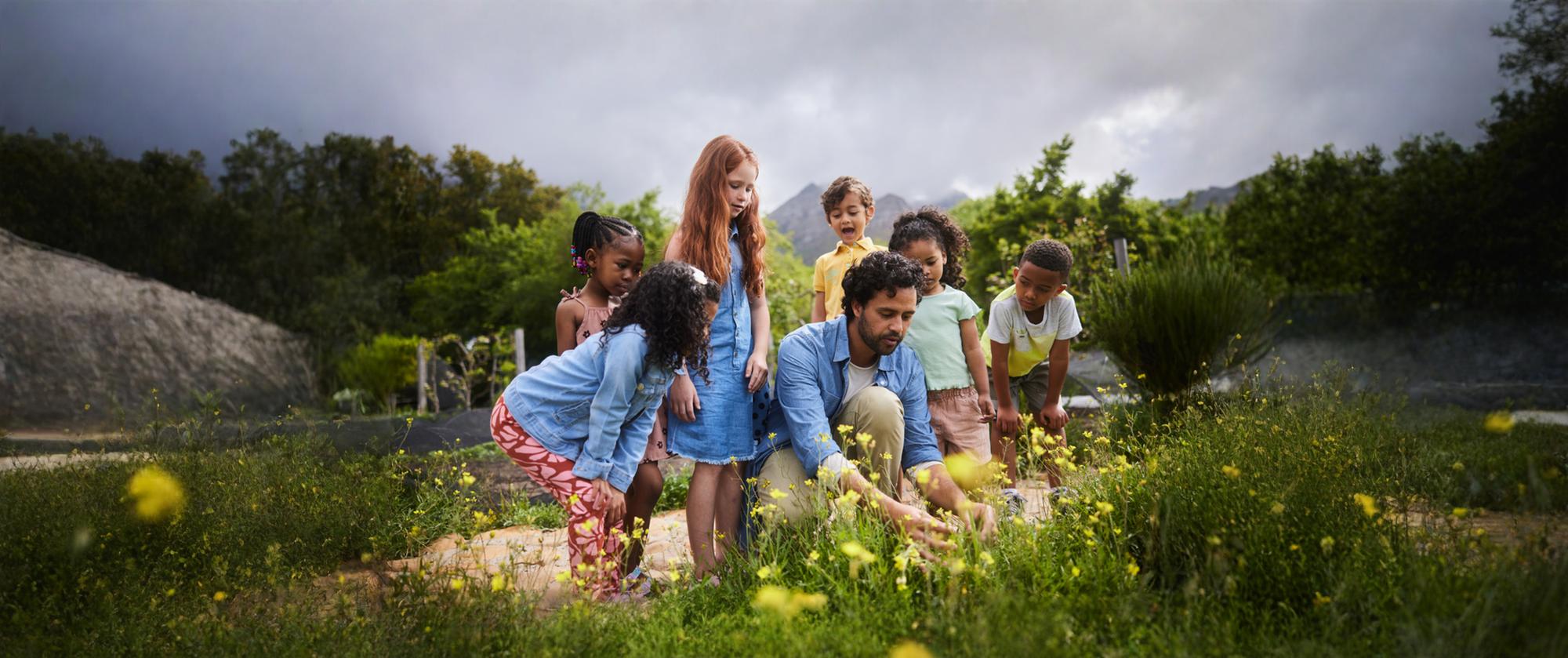
Sandra, a student in Stanford’s Teacher Education Program (STEP), gathers with her classmates to watch video clips of young learners engaged in collaborative math work. Some of these clips were collected by the students in their classroom placements; others have been brought in by the instructor. As they watch, they reflect and discuss what they notice students doing to move forward in their collaborative work, what math ideas are at play, and what strategies students use. The conversation leads to a discussion about a variety of student assets and serves as practice in noticing and naming assets and understandings as part of building content pedagogy while also challenging deficit notions. Sandra takes these ideas with her into her 3rd-grade placement the next day. She and her cooperating teacher have been working with students through a unit on place value that centers group work and have been reflecting on talk moves that elicit student ideas. Today Sandra is excited to continue practicing those moves during small-group discussions, attending to and naming students’ efforts with the same asset lens.
In today’s lesson, students work on the following problem: “My mom has 20 packs of 10 Halloween pencils and 4 loose ones. How many Halloween pencils does she have? How do you know?” As the students explore place value ideas in their groups, Sandra joins a student partnership that has built two 10-sticks. She elicits their thinking with a series of questions, supporting her students in making their thinking visible.
She notices that the students have a strong grasp that one stick represents 10 pencils and that two sticks would thereby be 20 pencils, and she revoices this idea to the students, confirming and validating their thinking. She then prompts them to show her the model they have created and connect that model back to the task. These moves help the students realize that their model of the two sticks of 10 cubes doesn’t match the story, and Sandra nudges them to develop a new strategy. After some discussion, the partners agree to continue building 10-sticks until they reach 20 sticks of 10 cubes.
Sandra shares this experience in her math education class, as well as with her cooperating teacher during their regular debrief. Through connections between clinical experiences and coursework, coupled with a shared focus on pedagogies that support understanding students and building on their ideas, Sandra develops both pedagogical content knowledge and pedagogical learner knowledge that enable her to develop and practice the skills and dispositions of an equitable, responsive educator.
What the Science Says
Children’s development and learning are shaped by dynamic interactions among the environmental factors, relationships, and learning opportunities they experience, both in and out of school, along with physical, psychological, cognitive, social, and emotional processes that influence one another—both biologically and functionally—as they enable or undermine learning. Although our society and our schools often compartmentalize these developmental processes and treat them as distinct from one another—and treat children as distinct from the many contexts they experience—the science of learning and development (SoLD) demonstrates how tightly interrelated they are and how they jointly produce the outcomes for which educators are responsible.
These experiences—grounded in place, space, and the multiple communities a person interacts with (family, friends, neighborhood, church, school, and others)—form the cultural contexts within which each person encounters the world. Since learning is a process of drawing connections between what we know and what we are discovering, these cultural contexts provide the foundation for learning and identity development.
As a function of experiences, the brain and human capacities grow over the entire developmental continuum, and across the developmental spectrum (physical, cognitive, affective), in interactive ways. What happens in one domain influences what happens in others. For example, emotions can trigger or block learning. Emotions and social contexts shape neural connections, which contribute to attention, concentration, memory, knowledge transfer, and application. When educators understand how developmental processes unfold over time and interact in different contexts, they can create more supportive designs for learning environments. Pedagogies and practices that center the whole child support learning and development.
A curriculum rooted in a deep understanding of learners, learning, and development is the most important foundation teacher preparation programs can offer to ensure that teacher candidates have the knowledge and skills to teach and support children well. Also, preparation programs should be attuned to these tenets of learning and development when considering how they are developing learning environments for aspiring teachers.
Overview of Curriculum Rooted in a Deep Understanding of Learners, Learning, and Development
Programs should be designed to prepare educators who can effectively address the complex ways in which children learn and develop.
Programs should be designed to prepare educators who can effectively address the complex ways in which children learn and develop. This includes knowledge of all aspects of child and adolescent development, including brain development; pedagogical content knowledge and pedagogical learner knowledge; and language development (including academic language). These understandings will help candidates use inquiry- and asset-based approaches to learn about students’ backgrounds and experiences and enable them to create curriculum and assessments that allow students to learn deeply and authentically with a sense of agency and purpose that enhances their motivation.
Preparation programs should include knowledge about neurodiversity and the ability to evaluate, modify, and adapt curricular materials for individual students to build on their strengths and address their specific needs. Programs should model learning that is rooted in culture, experience, and relationships and should equip educators with an understanding of the conditions necessary for optimal learning in children and adolescents. This includes curriculum that connects subject matter with strategies for an asset-based approach to learning about students’ backgrounds, families, and community. This knowledge helps build aspiring teachers’ adaptive expertise, which allows them to consciously integrate different areas of knowledge and skills to make sound decisions in the complex swirl of classroom life.
What Teachers and Teacher Educators Can Do
There was a time when learning to teach often meant learning a set of techniques for presenting content to students in a relatively standardized fashion; testing how much they learned; assigning grades; and determining where they would be placed in the next grade, course, or tracking system. The idea that teaching should support a complex set of developmental processes or address the ways in which children learn—including the ways in which children learn differently as a function of their funds of knowledge1 and prior experiences—was not central to most schooling or to teacher education.
Now we know that to teach children most effectively, teachers need to understand the learning process as it unfolds in sociocultural contexts, since all learning is rooted in culture and experience and involves people’s abilities to connect what they already know to what they are seeking to understand.
Understanding Learning and Developmental Processes
Because brain architecture continually develops as a function of experiences, relationships, and contexts, teachers can benefit from understanding the kinds of experiences that matter. These include opportunities for exploration and inquiry in supportive environments that offer frameworks or schema that help children see patterns and connections among the things they are learning. Rich language experiences both build neural connections and help students develop their thinking and ideas. Other symbol systems—such as math, music, and art—also develop brain capacity in distinctive ways.2
In addition, it is important for teachers to understand how contexts and relationships, including teacher behaviors and practices, influence brain development, both positively—when children are in calm, predictable, and trustworthy environments that offer supportive relationships—and negatively, when children experience anxiety, trauma, or distress. Neural networks are supported by good nutrition, physical activity, green spaces, and mindfulness, and they are undermined by physical deprivation or threats, as well as by psychological threats. Understanding the conditions for optimal brain development and functioning can help teachers create a productive classroom environment. Understanding how trauma can disrupt attention and behavior can help educators offer the responsive relationships, spaces for calming, opportunities to learn social and emotional skills, and access to mental health and other supports that can heal the effects of trauma and prevent the kinds of punitive, exclusionary school responses that can exacerbate trauma.3
Teachers need to understand child and adolescent development, along with developmental processes, in all the domains of development—social, emotional, cognitive, academic, physical, and moral. Teachers also need to understand sociological and cultural factors and processes that affect what students think and do. They should have strategies to learn about children as individuals, as members of families and communities, and as learners. Having such strategies can enable them to plan comprehensively for supporting development in all the domains. One example of an approach used in Towson University’s teacher education program to build such integrative lessons is shown in the section that describes the principle about Development of Skills, Habits, and Mindsets of an Equitable Educator.
Developing Teachers’ Knowledge of Learners
The “pedagogical learner knowledge”4 that teachers need includes an asset-based approach to learning about students’ backgrounds and experiences, which in turn relies on teachers’ understanding of and reflective practice about their own positionality and potential biases so that they can deepen their capacity to see children fully and engage with them responsively. A key aspect of this knowledge is an appreciation for cultural resources and funds of knowledge that teachers can draw upon in developing curriculum and learning experiences. The text box Developing Teachers’ Knowledge of Learners explains how teacher candidates at Vanderbilt University are supported in learning to understand individual learners, recognize their competence, and build on their learning processes.
Developing Pedagogical Content Knowledge
This knowledge of learners, learning, and developmental processes also undergirds the pedagogical content knowledge5 teachers use to design curriculum, representations, tasks, and ongoing formative assessments. Pedagogical content knowledge connects teachers’ understanding of subject matter with what they know about how children learn generally and what they know about the specific children they are teaching: their funds of knowledge, prior experience, and ongoing engagement. This knowledge of subject matter should be deep and flexible enough to ensure that teachers understand the core concepts (“big ideas”) and modes of inquiry in the disciplines they teach so that they can create useful schema, representations, and examples appropriate to both the demands of the subject matter and the experiences of their students. It should also help teachers develop a logical sequence of concepts or topics that will naturally help students scaffold their learning of the content, as well as understand where there may be gaps to be filled in children’s learning processes. This knowledge allows them to “bring the child to the curriculum and the curriculum to the child,”6 differentiate instruction, and assess and support progress for each learner.
Teachers’ knowledge of technology tools to support learning is now a key factor in enabling student inquiry, communication of ideas, opportunities for practice, and representations of their work and learning in multiple formats. The pace of technological advancement continues to accelerate, and so it is all the more important that students’ knowledge and understanding of technology come in the form of the flexible, transferrable, conceptual learning that is the goal of educators prepared via these principles. For teacher educators and teacher candidates, knowledge of or about technology must be joined to pedagogical knowledge about how to effectively use technology, just as knowledge of content is married to an understanding of pedagogy.
Technological pedagogical content knowledge (TPACK)7 is an important analogue to pedagogical content knowledge, as it helps teachers develop deep understanding of effective strategies that allow them to make judgments about how to use technology in their own contexts, with their own students, to foster meaningful learning.8 Technological literacy, in this sense, means “becoming a sensitive and critical user of [technological] media,” including an awareness of the potential for unintended consequences and knowledge of a set of strategies for enabling students to master, rather than being mastered by, technologies they will need to use as tools for ongoing learning.9 Teacher educators should consider how they integrate technology into preparation programs in light of these goals.10
Developing pedagogical content knowledge requires strong connections between clinical experiences and coursework, coupled with a shared focus among the program or course instructor, cooperating teacher, and preservice student teacher on pedagogies that focus on understanding students’ thinking and building on their ideas. This includes building both student skills and teacher candidate skills through critical, reflective activity, as the vignette in Developing Pedagogical Content Knowledge illustrates.
Part of this knowledge base is an understanding of language development. This includes an understanding of building blocks for language and literacy development—including the ways in which children develop language through interaction, rather than just listening to language or watching others,11 and the comprehensive approach to literacy development that has emerged from recent research.12 It includes the development of language proficiency for those whose first language is English and those for whom it is not. Given evidence that multilingualism benefits cognitive development and literacy development, this knowledge base of language development also includes the preservation and use of the native language to the greatest extent possible,13 which can occur both in contexts offering dual language immersion and in those where the first language is a springboard for learning English. In addition to the development of language and literacy skills that are central to early education, teachers need to know how to help students develop language skills of reading, writing, listening, and speaking for academic purposes. This area includes the academic language they need to do work in school (e.g., discipline-specific vocabulary and concepts) and the ways that language is used in different genres (e.g., in textbooks, essays, lab reports, or classroom discussions). These academic language needs should be addressed in ways that continue to respect and sustain students’ familial and cultural communication modes.
Creating Curriculum for Deeper Learning
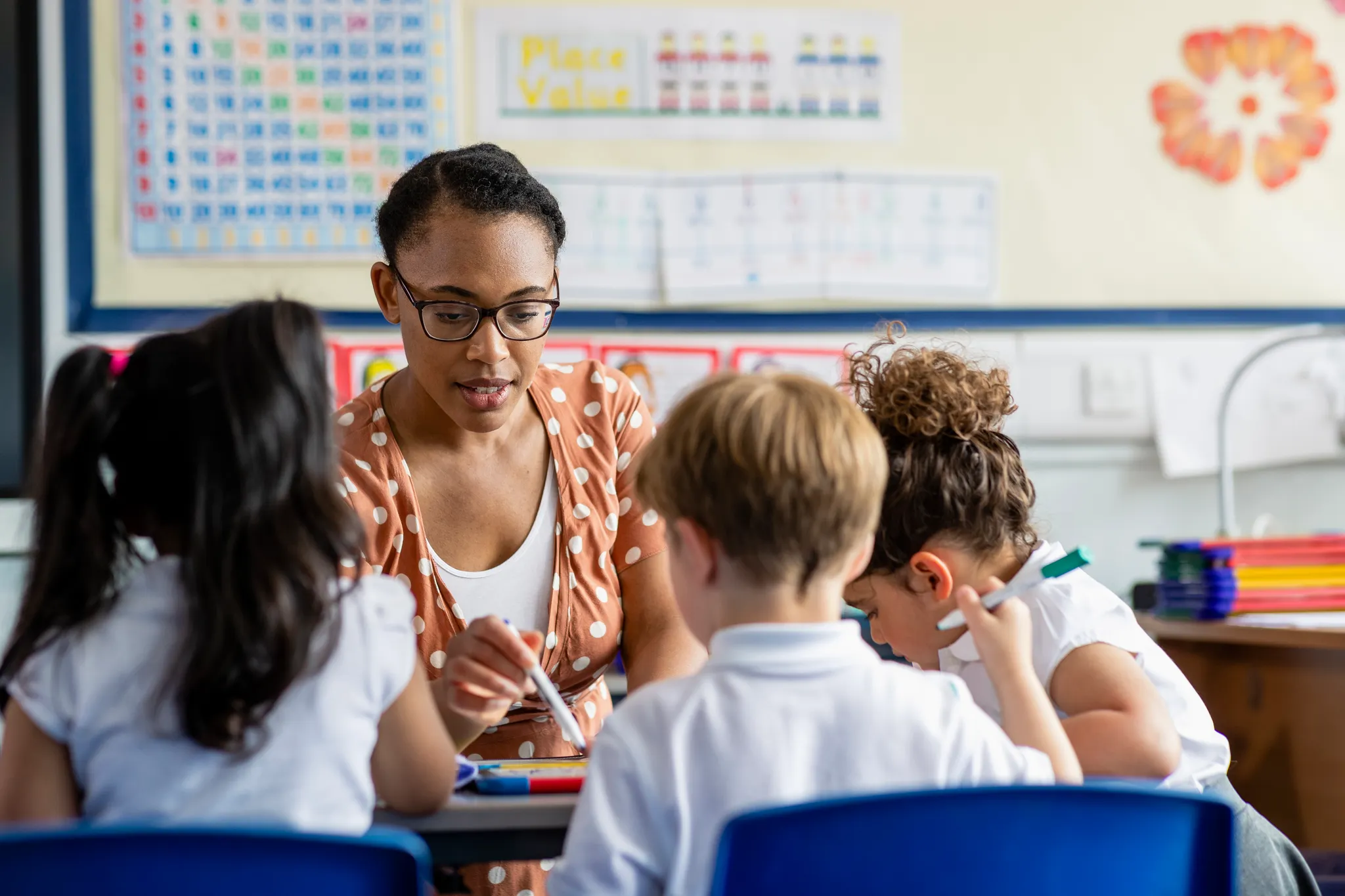
These understandings help teachers create curriculum and assessment experiences that allow students to learn deeply and authentically, engaging in inquiry that is relevant to their lives and demonstrating their learning in multiple ways that allow them to produce analyses, solutions, and a range of products that are meaningful to them and others, including members of their families and communities. Teachers’ understanding of assessment of, for, and as learning will help them both design useful analyses of learning that are educative in and of themselves—including well-scaffolded projects and performance tasks—and assess learning along the way.
The sense of agency and purpose that accompanies such authentic tasks enhances student motivation. Meanwhile, the use of well-designed rubrics can support self- and peer assessment as well as teachers’ feedback and ongoing instruction informed by their analysis of student work. Such tools can also support students’ efforts to revise their work, which can enable them to develop greater competence and a growth mindset.14
Because children’s lives are complex and the domains of development interact, teachers must be able to figure out the social, emotional, and cognitive supports students may need to advance their academic progress, sometimes emphasizing efforts in one domain in order to enable progress in another (for example, addressing emotional concerns or working on executive function strategies that are needed to engage more productively in instruction).
These decisions are benefited by knowledge about neurodiversity, which enables greater understanding of the distinctive ways in which people process different kinds of stimuli, experiences, and information, thereby helping teachers consider the multiple modes of representation and expression that can help children learn. Planning instruction that appropriately incorporates Universal Designs for Learning and that offers students the right kinds and amounts of challenge to stretch their capacities and learning is made possible by this kind of knowledge, along with the skills to evaluate, modify, and adapt curriculum materials for specific students to meet their needs and build on their strengths.
Developing Adaptive Expertise
These kinds of decisions are grounded in the adaptive expertise teachers develop as they consciously integrate different areas of knowledge and skill to make sound decisions in the complex swirl of classroom life. This kind of expertise, building on the knowledge of child development, learning, curriculum, and assessment described in this section, is illustrated in the vignette in Preparation for Developmentally Grounded Curriculum and Instruction, about the classroom of a Bank Street College of Education cooperating teacher. The vignette reflects the coherent vision of practice that informs the college’s coordinated coursework and clinical work.
Developmentally Grounded Preparation
This short vignette illustrates teaching grounded in a developmental framework that cultivates strong, trusting relationships; collaboration in the learning process; connections to prior experience; a content-rich curriculum that promotes inquiry interspersed with explicit instruction where appropriate; and support for individualized learning strategies as well as collective learning.
For student teachers in this classroom, all the components of the teaching knowledge base come together and are highlighted in the discussions they have with Pollen and their supervisor. Authentic and engaging inquiries with real-world connections like the task Pollen chose—measuring and comparing the heights of children of different ages in two classrooms—motivate student effort and engagement. Students’ work is supported through teacher scaffolding and a wide range of tools that allow for personalized learning and student agency. Other scaffolds—like the charts reminding students of their learning processes and key concepts—support self-regulation and strategic learning while reducing cognitive load in order to facilitate higher-order thinking and performance skills. These scaffolds also enable student self-assessment, as well as peer and teacher feedback that is part of an ongoing formative assessment process. Routines for reflection on and revision of work support the development of metacognition and a growth mindset. Meanwhile, students’ identities as competent writers, scientists, and mathematicians are also reinforced, as their work dominates the walls of the classroom and is the focus of the learning process. Culturally connected curriculum units and materials foster students’ sense of inclusion, and a wide array of school supports reinforce that inclusion by addressing student and family needs while incorporating families as partners in the educational process.
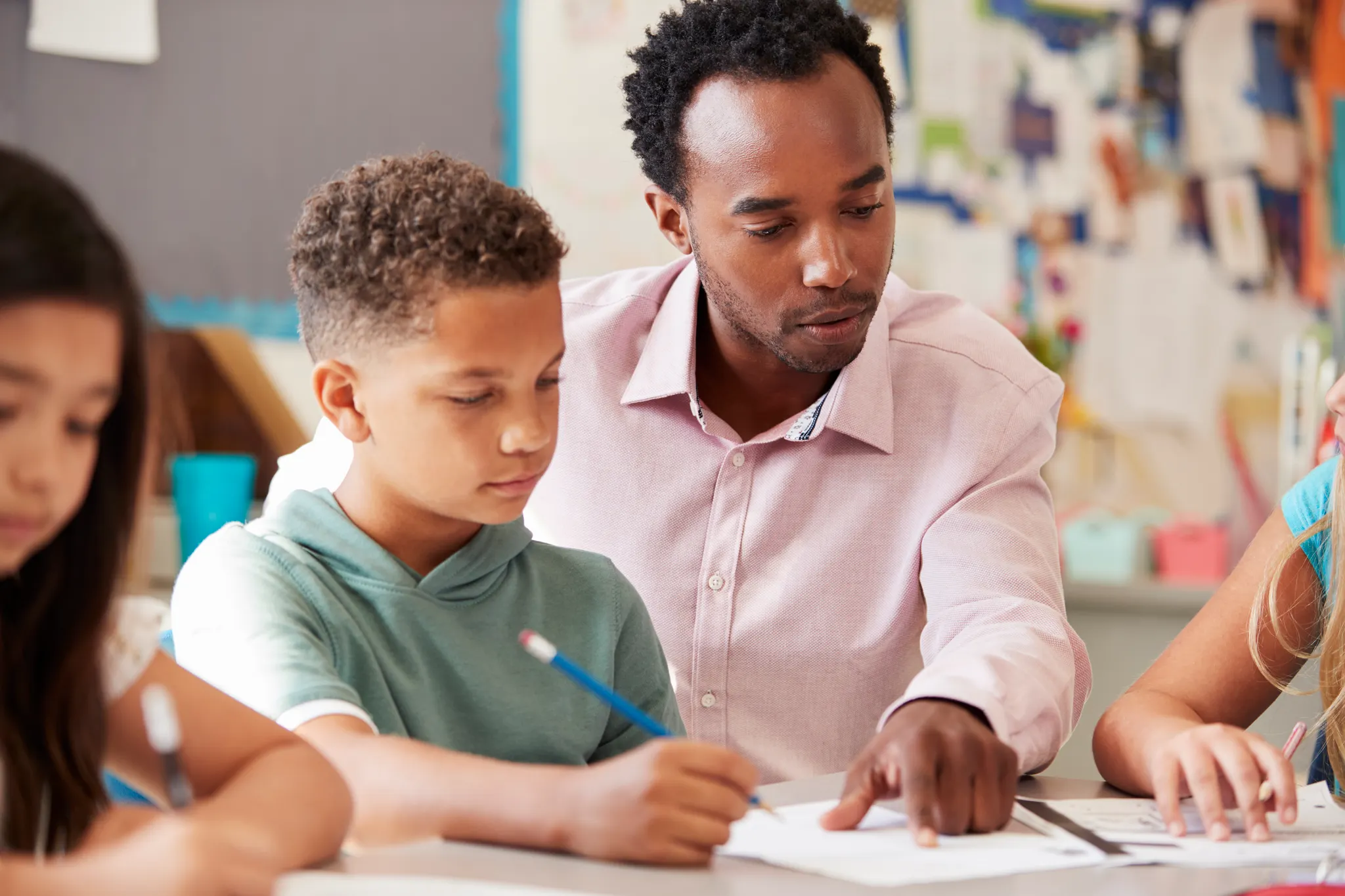
The developmental needs of students and the demands of the curriculum for deep understanding are brought together in curriculum planning, which is shared with Pollen’s student teachers in his classroom and in the courses they are taking at Bank Street. The planning for the math lesson takes into account how to engender the kind of mathematical reasoning required for a robust understanding of central tendency and variation—the fundamental underpinning of mean, median, and mode. The planning also considers students’ individual strengths, needs, and modes of working as the teachers codesign the groups students work in, shape the questions they pose to individuals, and decide on follow-up learning activities. Pollen explains this thinking to his student teachers throughout the year, and the student teachers are increasingly able to contribute ideas.
In addition to planning with their cooperating teacher, candidates develop their skills as they learn to plan curriculum throughout their courses, considering how to plan around student strengths and needs and differentiate as appropriate to accomplish their curriculum goals. As candidates create their own curriculum units based on the local context and their students, they learn to improve their instruction as they gather information from their observations and analysis during the lessons they test out in their fieldwork placement. Throughout the assignment, candidates receive feedback, review models of curriculum, and make multiple revisions to refine their curriculum. This iterative lesson planning assignment requires teachers to build on the experience of their students based on careful observation and analysis and then reflect on the effectiveness of their lesson for individual students in order to improve it for future students.
1.
2.
3.
4.
5.
6.
7.
8.
9.
10.
11.
12.
13.
14.